Selling In Broken Arrow While Buying Your Next Home
June 4, 2026
June 4, 2026
If you’re trying to sell your Broken Arrow home while buying the next one, you’re probably asking the same question most move-up households do: How do we time this without creating extra stress or extra cost? That concern is real, especially in a market where homes are taking time to sell but the right replacement property can still move fast. In this guide, you’ll learn how to think through timing, financing, contingencies, and local due diligence so your next move feels more organized and more manageable. Let’s dive in.
Broken Arrow is a large and growing city, with an estimated 2025 population of 124,991 across about 60 square miles. The city also reports strong growth from 2010 to 2020, which helps support an active local housing market.
For your move, the key point is balance. As of April 2026, homes in Broken Arrow were described as somewhat competitive, with about two offers on average, roughly 47 days to sell, and a median sale price of $298,484 over the prior three months. Realtor.com also reported a median listing price of $349,000 and an average time on market of 47 days.
That means you should not assume your current home will sell instantly. At the same time, you also do not want to wait too long to prepare for your next purchase, especially if you are considering a specific home, acreage tract, or edge-of-town property that fits a narrow set of needs.
When you are both selling and buying, the smoothest moves usually begin with a full strategy before the home hits the market. That includes your budget, your financing, your timeline, and your backup options if one side moves faster than the other.
A common approach is to sell before buying. That can help limit the strain of carrying two properties at once, along with costs like repairs, taxes, insurance, HOA dues, closing costs, moving costs, and improvement expenses.
If you start with a plan, you can answer practical questions early:
If you plan to buy again right after selling, preapproval should usually come before serious house hunting. A preapproval letter shows a lender’s tentative willingness to lend up to a certain amount, and sellers often expect buyers to have one before accepting an offer.
Just remember that preapproval is not a final loan approval. It can also expire, often within 30 to 60 days, so if your search stretches out, you may need to refresh it before writing an offer.
This step matters even more when you are coordinating two transactions. You want to know your likely price range before you decide how aggressively to price or prepare your current home.
In Oklahoma, contract deadlines can come up quickly. If you are juggling a sale and a purchase at the same time, even a few missed days can create stress.
Here are a few important checkpoints from the Oklahoma residential sales contract:
The contract also requires the seller to keep water, gas, and electricity on for inspections through closing or possession. If you are moving in stages, that is an easy detail to overlook.
In a market where homes are averaging about 47 days on market, preparation matters. Buyers may still move quickly on the right property, but sellers should expect a real marketing period.
That means pricing, condition, and presentation all matter from day one. If your goal is to free up cash for the next home, losing time with an overambitious price or incomplete prep can make the second half of your move harder.
Before listing, it helps to organize:
Oklahoma’s Residential Property Condition Disclosure Act requires sellers to provide either a disclosure statement or a disclaimer statement. The disclosure covers a wide range of issues, including structural systems, plumbing, electrical, heating and cooling, wood-destroying organisms, major fire or tornado damage, land-use matters, hazardous or regulated materials, prior methamphetamine manufacturing, and other known defects.
The seller must deliver the form before an offer is accepted, and the form must be updated promptly if a new defect is discovered. If you prepare this early, you reduce the chance of delays once offers start coming in.
The Oklahoma contract also makes clear that buyers are expected to conduct their own investigations and inspections. It also says the licensee does not have a duty to independently inspect or verify the seller’s statements, which is another reason accurate records and thoughtful disclosures matter.
When you are buying your next home while selling your current one, contingencies are not just contract language. They are part of your safety net.
Financing and inspection contingencies are especially important. A financing contingency helps address what happens if the loan does not close, and an inspection contingency gives you space to evaluate the property before you move fully forward.
For a move-up household, these terms can help protect your deposit and reduce the chance that one transaction creates avoidable problems for the other. They also give you a clearer framework for coordinating dates, repairs, and next steps.
Some households need to buy before their current home sells. In that case, one possible option is temporary financing such as a bridge or swing loan, which is generally repaid with proceeds from the sale of the existing home and then replaced by permanent financing.
This can be useful in the right situation, but it also adds complexity. You may be dealing with more underwriting, more carrying costs, and tighter timing, so it is best viewed as one possible tool rather than the default path.
One of the biggest stress points in a move-up transaction is not always the sale price. Often, it is the handoff between where you live now and where you will live next.
Because Oklahoma contracts usually transfer possession at closing unless the parties agree otherwise, you need to think through your move schedule early. If your purchase closes after your sale, you may need temporary housing or storage. If your purchase closes first, you may be managing two sets of costs for a period of time.
A simple timeline conversation early in the process can help you avoid last-minute surprises.
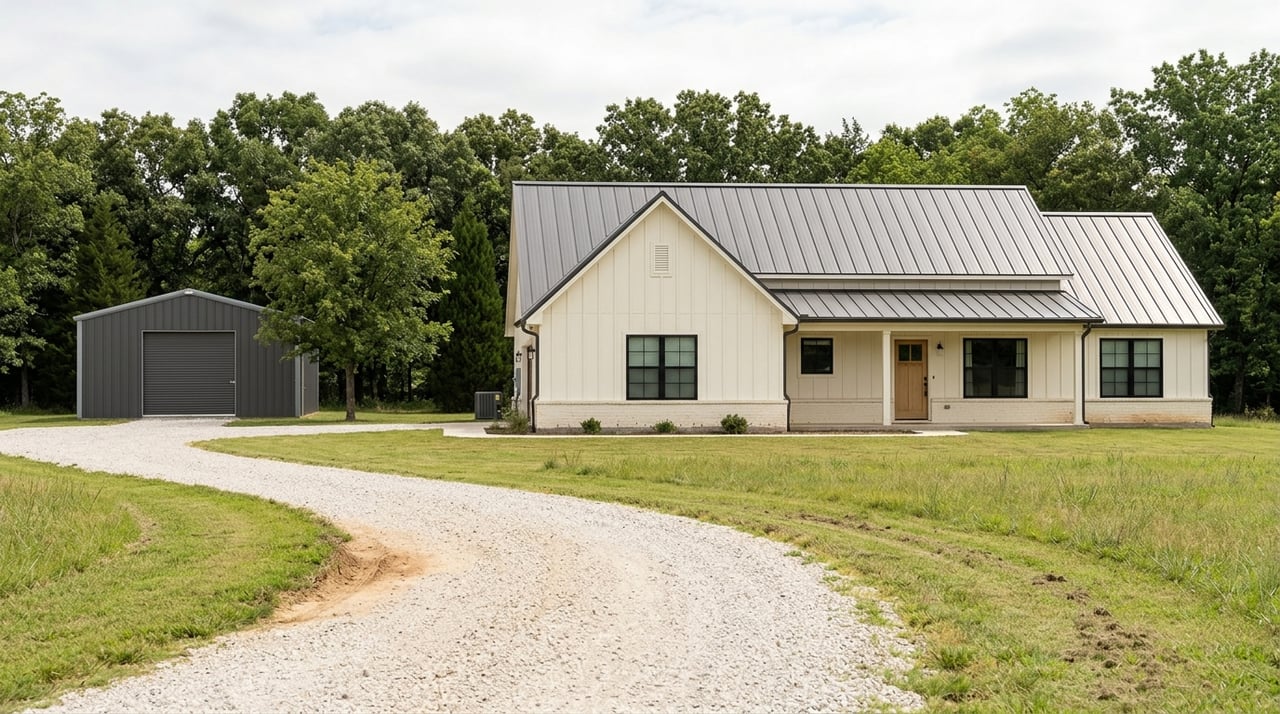
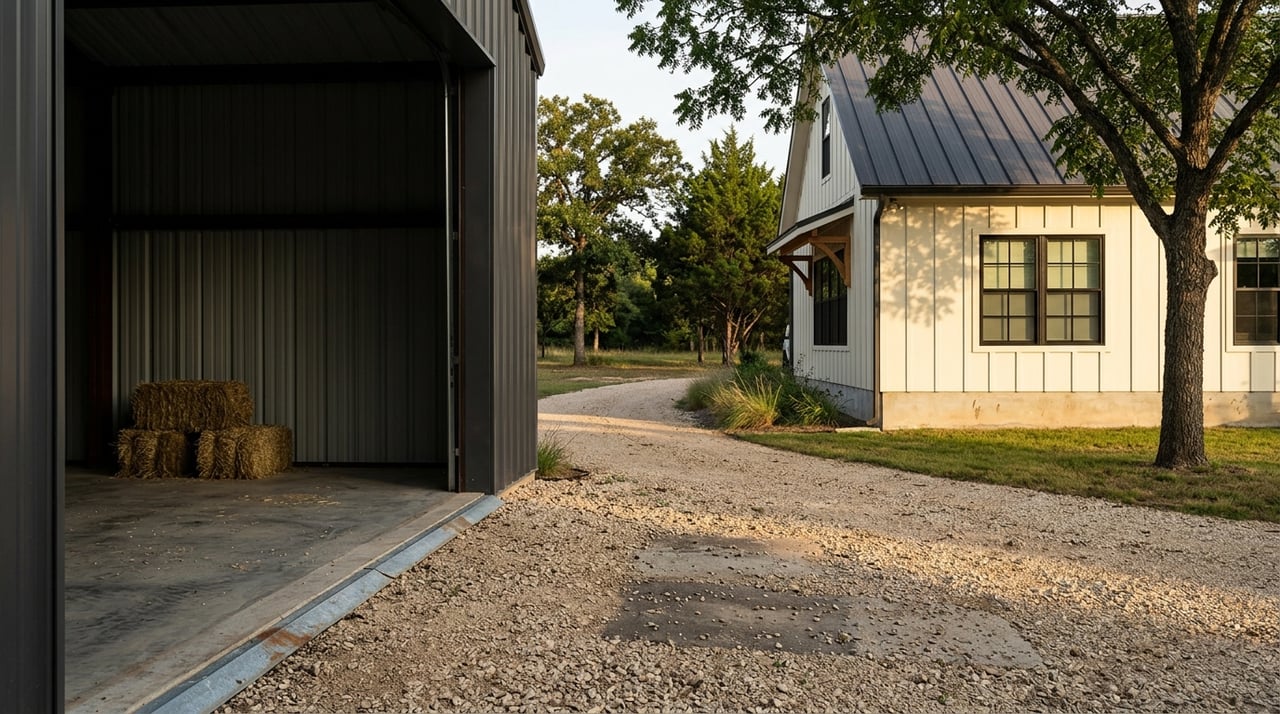
If your next move in Broken Arrow includes acreage, a homesite, or a property near the edge of town, the process may look very different from a standard suburban resale.
Broken Arrow’s zoning ordinance applies to land, buildings, structures, and uses within the city. The city also notes that annexed or unplatted land may require transitional zoning, site-plan review, platting, or building permits before a new use or expansion can move forward.
That matters if you are thinking about:
Broken Arrow operates its own water and sanitary sewer systems, and the 2025-2026 utility schedule shows different rates for inside-city and outside-city service. There is also a flat sewer rate for accounts with no water service.
If you are comparing an in-city home with an acreage property or private-system property, monthly utility costs and service setup may look very different. That should be part of your budget discussion before you write an offer.
For properties not connected to public sewer, Oklahoma DEQ says buyers should have the septic system inspected by a qualified expert. DEQ also offers an existing-septic inspection program.
For private wells, DEQ says these wells are not regulated by federal or Oklahoma governments, so the owner is responsible for water safety and appropriate testing. If your next move includes a well or septic system, those items should be part of your inspection and due diligence plan from the start.
If you are interviewing an agent for a move-up purchase and sale, it helps to ask direct questions about coordination, contingencies, and local property issues. You are not just hiring someone to unlock doors or put a sign in the yard. You are hiring someone to help organize a multi-step move.
A few smart questions include:
The right guidance can make a big difference when your move includes both residential timing and land-related decision-making.
Selling in Broken Arrow while buying your next home is absolutely doable, but it works best when you treat it like one coordinated plan instead of two separate transactions. The local market gives you opportunity, but it also rewards preparation, realistic timing, and clear decision-making.
If your next step may include a larger home, acreage, or land, the details matter even more. With the right plan, you can reduce unnecessary overlap, protect your options, and move with more confidence from one property to the next.
If you want calm, practical guidance for selling your current home and planning the next purchase, connect with Tasha Bates for a thoughtful, local approach to homes, land, and acreage across the Tulsa area.
Stay up to date on the latest real estate trends.


From working ranches to family homes, Tasha brings land expertise, local roots, and a personal touch that turns complex transactions into confident decisions.
GET IN TOUCH WITH TASHA