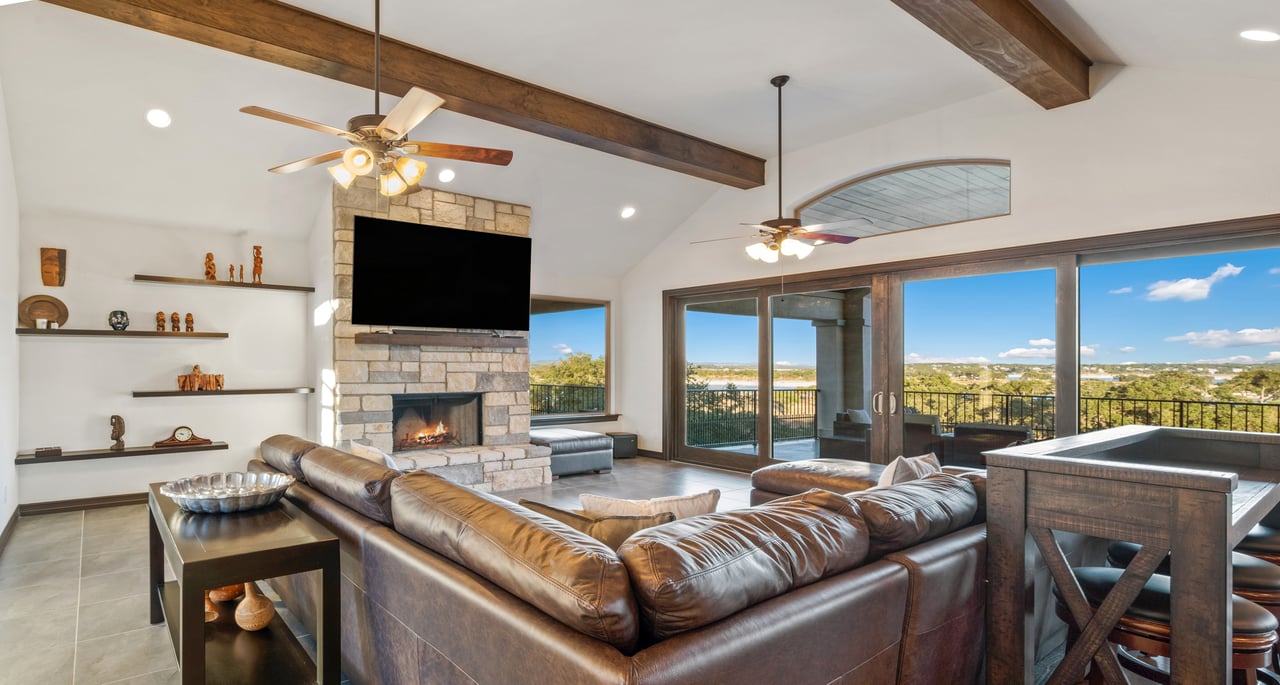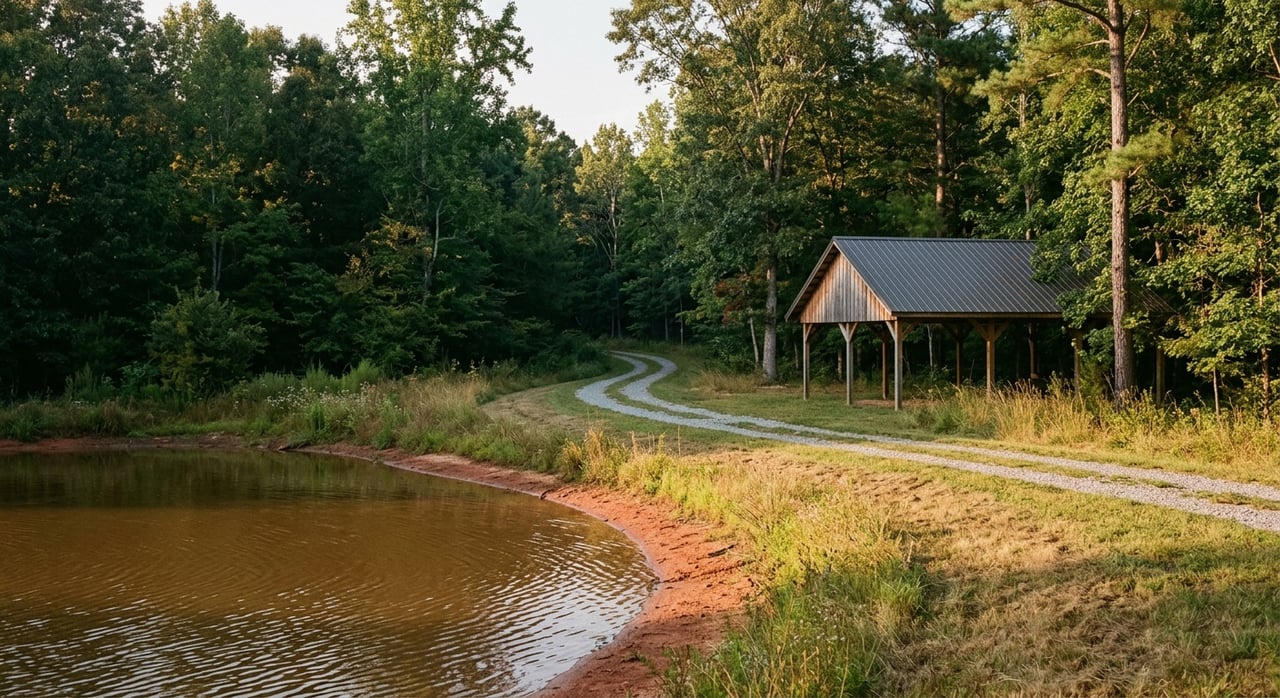
Skiatook Recreational Land Buying for Weekend Getaways
July 16, 2026
July 16, 2026
Dreaming about a simple weekend place near the lake? Buying recreational land near Skiatook can be a great way to create a private escape, but the right tract is about much more than pretty views. You need to know how you plan to use the land, what rules apply, and whether the property will actually work in real life when weather, access, and permits come into play. This guide will help you focus on the details that matter most so you can shop with more confidence. Let’s dive in.
Skiatook is a natural fit for weekend-getaway buyers because Skiatook Lake offers a strong mix of outdoor recreation and scenic land. According to the U.S. Army Corps of Engineers, the lake has seven park areas with camping, picnicking, boat ramps, and designated swimming areas at Tall Chief Cove and Twin Points. The setting also includes rolling hills, tallgrass prairie, steep bluffs, and oak-covered terrain that gives the area its distinct character.
That variety is part of the appeal, but it also means one parcel can feel very different from the next. The 2025 lake master plan map divides the project into several recreation and management zones, including high-density recreation, low-density recreation, wildlife management, open recreation, no-wake, and restricted water-surface areas. If you want easy lake use, more privacy, or a quieter retreat, the tract’s exact location matters.
For buyers who also enjoy hunting and fishing, the area offers another layer of value. The Corps hunting guide notes 17,996 total project land and water acres, about 160 miles of shoreline at conservation-pool elevation, and roughly 8,000 acres open to hunters. Public recreation can be a major benefit, but private land still needs to fit your goals for access, quiet, and usability.
Before you compare acreage sizes or road frontage, get clear on how you want to spend time there. Some buyers want a future cabin site, while others want a place to park an RV, enjoy a fire pit, launch a boat nearby, or slip away for hunting weekends. Your intended use should shape every part of your search.
A parcel that works well for one buyer may be a poor fit for another. If your priority is being near a boat ramp, you may accept more traffic nearby. If your priority is privacy and a slower pace, you may prefer a tract with more separation from busy recreation areas.
It also helps to think in practical terms. Ask yourself how often you will go, what seasons you plan to use it, and whether you want something ready now or something you can improve over time. Those answers will help narrow the field quickly.
One of the biggest issues with recreational land is access. Oklahoma State University guidance recommends checking whether roads are well maintained, whether they hold up during heavy rain, and whether bridges are in good repair. A pretty tract can lose a lot of weekend value if getting there becomes difficult after a storm.
You will also want to confirm whether access is direct, deeded, or dependent on an easement. Easements and road-use arrangements can create legal and practical issues if they are unclear. In Osage County, the County Clerk is the place to review deeds, liens, easements, and other land-record issues, including ingress and egress concerns.
For a weekend property, this step matters even more because your time is limited. You do not want to spend half your getaway dealing with muddy roads, uncertain entry rights, or a bridge that makes every trip stressful. If possible, it is wise to see the route in different conditions, including after rain.
Land near Skiatook can change quickly from one tract to the next. OSU notes that flat areas along creeks and rivers may look attractive but are often prone to flooding. Around Skiatook, with bluffs, draws, and creek bottoms in the landscape, small changes in elevation can have a big effect on how useful a property really is.
If you hope to add a cabin, shed, or other small structure, drainage should be one of your first questions. Poor drainage can limit where you build, affect septic options, and create long-term maintenance problems. It can also make simple weekend use less enjoyable if the site stays wet or washes out easily.
This is also important from a permitting standpoint. Skiatook permit forms specifically ask whether a property is in a special flood hazard area, and the city requires elevation information if it is. Whether the tract is inside city limits or not, flood exposure and site drainage deserve careful review before you move forward.
The rules that apply to a recreational tract near Skiatook depend on where the property sits. Inside Skiatook city limits, the city offers permits for rezoning, lot splits, plats, accessory buildings, residential buildings, development, and structure moving. That means a weekend-use plan that includes any structure or land change may require city review.
For unincorporated land, Osage County Planning and Zoning handles zoning, land-use regulation, building permits, and development review. In other words, you cannot assume the same process applies to every tract near the lake. A property just outside city limits may fall under a different set of local requirements.
If the tract touches Corps fee land or shoreline, another layer comes into play. The U.S. Army Corps of Engineers Shoreline Management Plan governs uses of government property, including private boat docks and mowing permits, and relies on shoreline maps, cove maps, and design standards for floating facilities. If lake access is part of your vision, this is a key part of due diligence.
Many buyers start by asking one simple question: “Can I get to the water easily?” That is a smart place to begin, but the answer is not always straightforward. The closest shoreline may not offer the kind of use you want, and nearby project zones can affect how that area functions.
The practical value of nearby recreation can also shift with the weather. The Corps notes that flooding and construction can close day-use areas, swim beaches, ramps, docks, shelters, and campgrounds. So if your weekend plan depends heavily on a nearby launch point or park area, it is worth considering how closures could affect your routine.
This does not mean you should avoid lake-area land. It simply means you should match the tract to your habits. If you want flexible weekend use, it may be better to choose land that still feels worthwhile even when certain recreation sites are temporarily unavailable.
A lot of weekend buyers picture a simple setup, maybe a small cabin, a storage building, or a basic outbuilding with room to relax outdoors. That can be a great use of recreational land, but only if the site supports it. Before you build plans into your decision, verify permitting, drainage, septic feasibility, and utility access.
OSU warns that rural properties can bring expensive surprises when buyers move too fast. A tract may look perfect for a cabin on first visit but turn out to have site constraints that change the budget or timeline. That is why build potential should be confirmed, not assumed.
If there is already a well or septic system on the property, those items deserve extra attention. OSU recommends having a well inspected, testing well water for bacteria and nitrates, and having the septic system inspected and pumped before purchase if possible. Septic repairs can be costly, and soil conditions can also affect foundations.
Land due diligence does not stop at the surface. OSU recommends verifying title, title insurance, and a complete abstract, and checking for liens, easements, or other title issues through the County Clerk. This is especially important for recreational land because usage plans often depend on clear access and clear ownership rights.
Mineral rights are another detail worth understanding. OSU notes that mineral rights can be severed from the surface estate. If your goal is a quiet retreat with long-term control and predictable use, you will want to understand what is and is not included with the property.
Tax records also matter as part of the bigger picture. The Osage County Assessor values taxable real and personal property and revalues on a four-year inspection cycle. Reviewing tax information can help you better understand the property’s current assessment and ownership record.
Some rural tracts carry use limits that are easy to miss if you only focus on views and access. OSU notes that conservation easements can limit development while still allowing many open-space uses such as hunting, fishing, farming, and ranching. That may be perfectly fine for your goals, or it may conflict with plans for a cabin or other improvements.
This is why a recreational property should be viewed through both a lifestyle lens and a legal one. If you want flexible future options, ask early whether any conservation easement affects the tract. It is much easier to shape your search around those limits than to discover them after you are emotionally invested.
For some buyers, the dream is less about boating and more about a quiet base camp with access to hunting opportunities. The Skiatook Lake area offers public-land options, and nearby wildlife management land adds to the appeal for outdoors-minded buyers. The best private tract, though, is usually the one that balances privacy with convenient access to the recreation you actually use.
If public hunting access matters to you, nearby rules should be part of your planning. The Oklahoma Department of Wildlife Conservation’s Osage WMA information shows that the western wall unit covers 7,329 acres, and the broader Osage WMA also includes a Rock Creek unit. It also notes that non-residents accessing certain public hunting and fishing areas are subject to a 2025 check-in and check-out rule.
Private land still needs to support your personal style of use. Some buyers want seclusion and natural cover, while others care more about quick trips and easier maintenance. There is no one-size-fits-all answer, which is why matching the property to your habits matters so much.
When you are comparing recreational land near Skiatook, keep your focus on the basics that protect both enjoyment and resale value.
The strongest recreational parcels are usually the ones with clear access, workable land, and fewer surprises. A scenic tract is great, but a scenic tract that also fits your real weekend plans is even better.
If you are thinking about buying recreational land near Skiatook, having a local guide who understands both homes and land can make the process feel a lot more manageable. If you want help sorting through access, land use, topography, and the practical side of finding the right getaway property, reach out to Tasha Bates.
Stay up to date on the latest real estate trends.




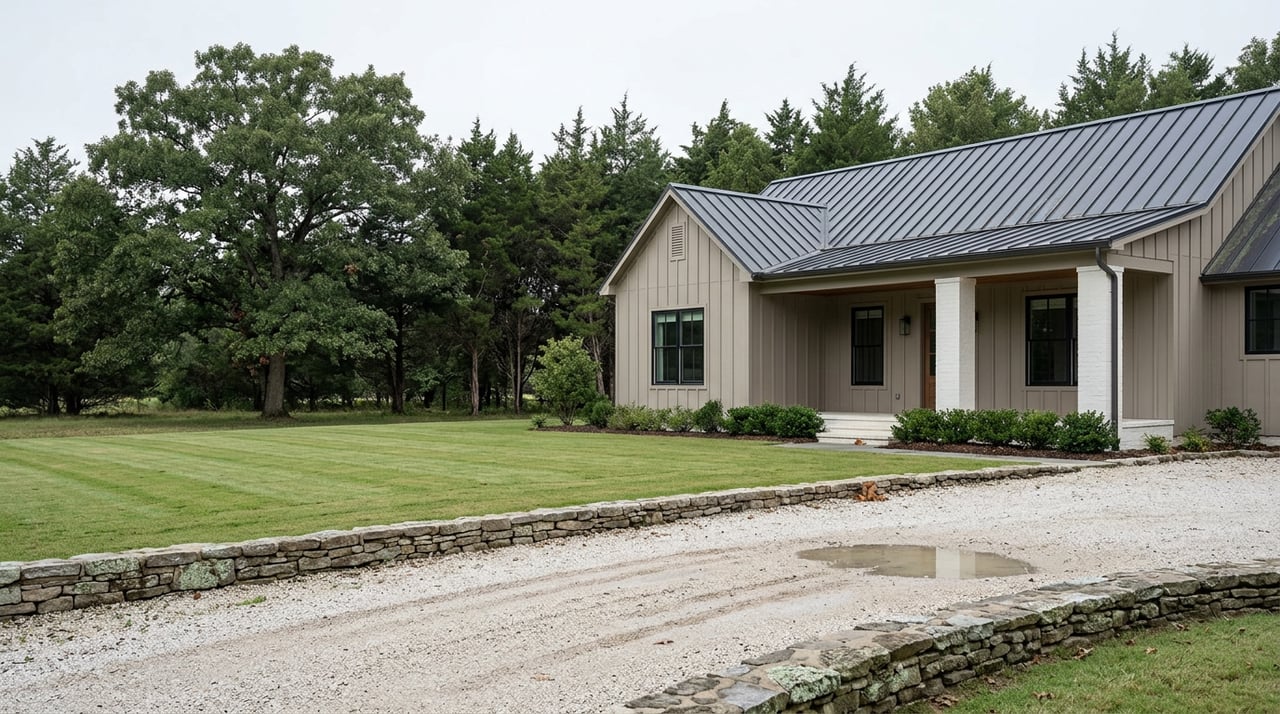
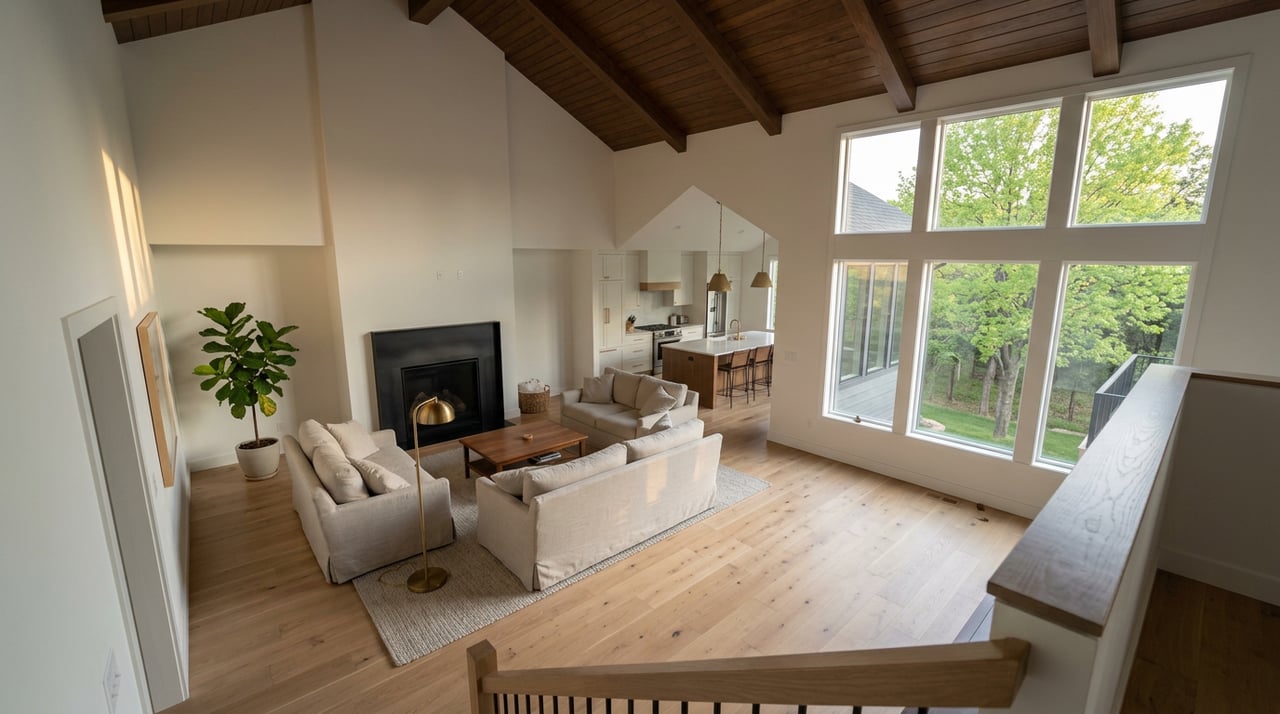


From working ranches to family homes, Tasha brings land expertise, local roots, and a personal touch that turns complex transactions into confident decisions.
GET IN TOUCH WITH TASHA