Claremore Small Ranch Properties: A Buyer’s Guide
June 25, 2026
June 25, 2026
Dreaming about a little more space without moving too far from Claremore? Small ranches and country homes can offer room for animals, gardening, workshops, or simply a quieter pace, but the right property is about more than acreage alone. If you are exploring country living in the Claremore area, this guide will help you understand what to look for, what questions to ask, and how to spot the details that matter most before you buy. Let’s dive in.
One of the first things to sort out is whether a property sits inside Claremore city limits or in unincorporated Rogers County. That single detail can shape utilities, permits, zoning, and what kinds of improvements may already exist on the property.
Within Claremore city limits, the city handles planning, zoning, platting, annexation, code enforcement, and permits through Community Development Services. The city also provides electric, water, sewer, and trash service to residents inside city limits. For many buyers, that can mean a more familiar setup even if the home has a country feel.
Rural Rogers County properties often require a more parcel-by-parcel review. County residential permit materials ask about lot size, flood zone, water source, electric provider, and gas source. That gives you a good sense of how much more property-specific rural homes can be.
A home on the edge of town and a home on open acreage may both be marketed as country properties, but your ownership experience can be very different. In-town or fringe properties may have easier access to city utilities, while rural parcels may rely on rural water districts, private wells, septic systems, or a mix of services.
That is why two listings with similar acreage can live very differently day to day. Before you fall in love with the view, make sure you understand how the property functions.
There is no single official definition of a small ranch or hobby farm in the Claremore area. Recent listing snapshots show a wide range, from a 0.36-acre in-town home to a 40-acre turnkey ranch near Claremore.
Looking at current examples, the local market seems to break into a few practical acreage bands. Smaller rural-fringe homes often fall under about 1 acre, hobby-farm and horse-property setups often appear in the roughly 3 to 15 acre range, and 20-plus acre properties tend to lean more toward working-ranch or recreational use.
These are not legal definitions. They are simply a useful way to think about what buyers are currently seeing near Claremore.
In this market, buyers looking at small ranches and country homes often expect more than a house sitting on land. Many listings include practical improvements that support rural living and property use.
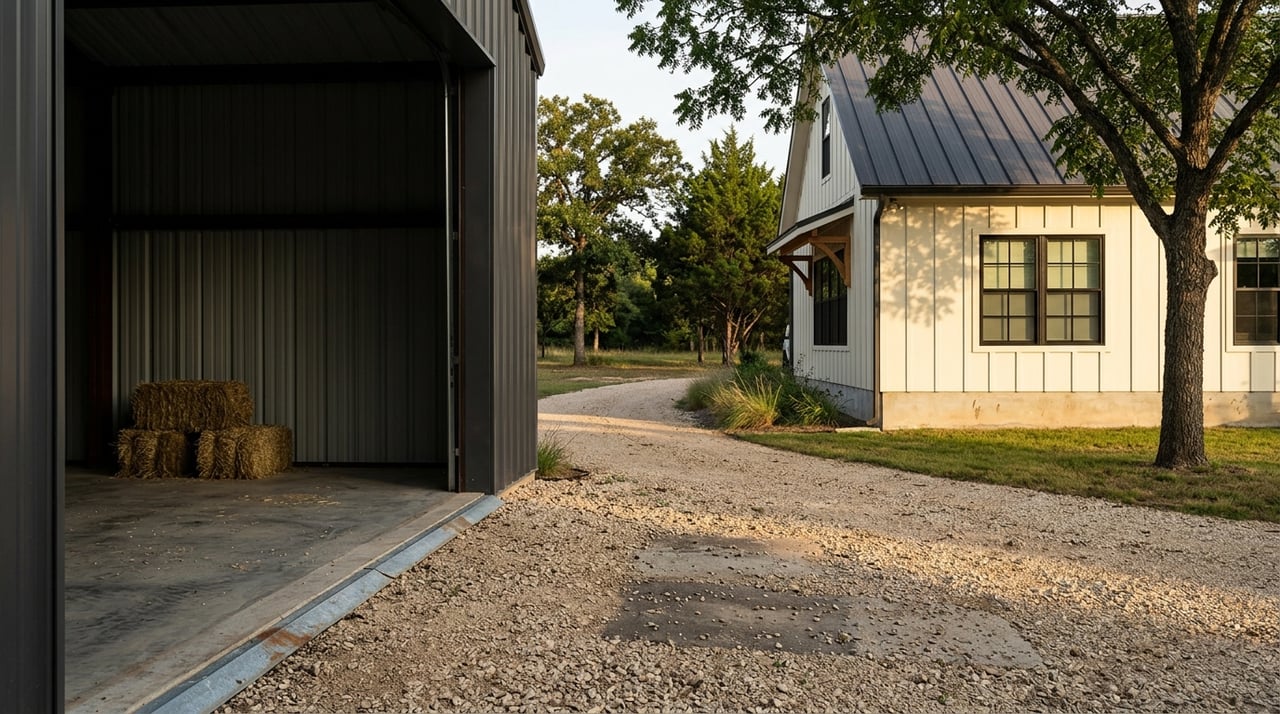
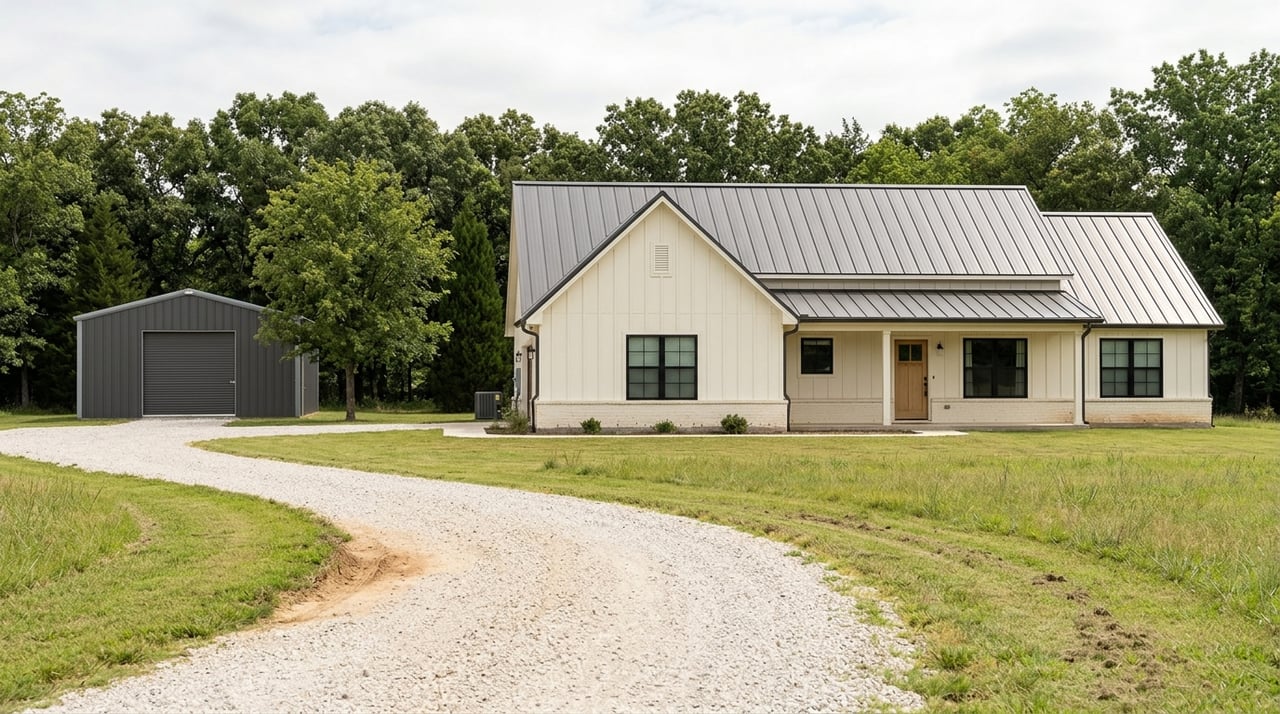
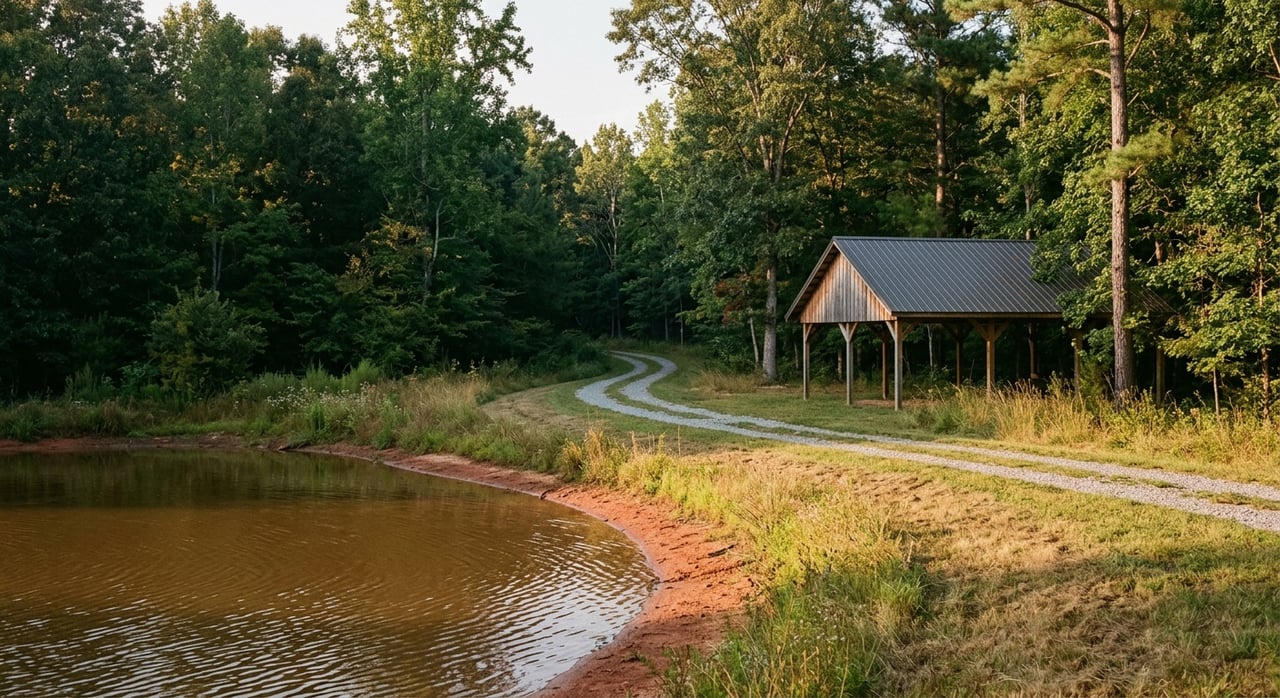
Common features in local listings include fencing, barns, equipment barns, pole barns, shops, round pens, corrals, chicken houses, garden sheds, ponds, creeks, springs, mature trees, exterior hydrants, and sometimes RV hookups or generators. Not every property has all of these, of course, but many buyers are looking for a mix of home, land, and usable infrastructure.
If you plan to keep horses, cattle, chickens, or simply want room for equipment and hobbies, these features can save time and money later. At the same time, each improvement should be reviewed for condition, layout, and whether it fits local rules.
If you are shopping for a small ranch near Claremore, zoning deserves close attention. It is not just about whether you like the barn or fence. It is also about whether those improvements are allowed, whether permits were required, and whether future additions will fit the property’s zoning.
Claremore’s Unified Development Code states that annexed territory normally defaults to an agricultural district unless the city designates another zone. The code also includes separate standards for detached accessory structures and fences, and new or expanded fences require permits.
Within Claremore city code, barbed wire is permitted only in agricultural zoning districts. That means fencing style, barn plans, shops, and outbuildings may all connect back to zoning, not just personal preference.
These questions can make a big difference, especially if you plan to add a shop, expand fencing, or adapt the property over time.
A beautiful piece of land can feel a lot less simple once you start sorting out water, sewer, and service connections. For many country properties near Claremore, utilities are one of the biggest points of difference.
Inside city limits, utility service may be more straightforward because the city provides water, sewer, electric, and trash service. In unincorporated areas, water may come from a rural water district or a private well, and sewage is often handled by an on-site septic system.
If a property uses a private well, remember that private-well owners are responsible for testing and maintaining their drinking water. OSU’s Well Owner Network recommends annual testing, which is an important ongoing ownership cost and responsibility to understand.
For rural homes, septic is not a background detail. It is a major part of due diligence.
The Oklahoma Department of Environmental Quality says homes and businesses commonly use on-site sewage systems, and soil profile testing is required before installing a subsurface septic system. Maintenance is also the homeowner’s responsibility.
If a property has a septic system, ask for as much documentation as possible. A recent maintenance history, installation records, and any available soil information can help you better understand the system and plan ahead.
For country homes, these answers matter just as much as square footage or finish level.
Owning a small ranch or country home often brings more freedom, but it also brings more hands-on upkeep. That is especially true if you want animals, pasture space, or multiple outdoor structures.
OSU Extension notes that small-acreage horse farms can be difficult to manage and may benefit from controlled grazing and multiple pasture cells with temporary fencing. The same guidance warns that horses on small acreages can overgraze pasture, create mud in high-traffic areas, and require more active manure and pasture management than many first-time rural buyers expect.
This does not mean country living is a bad fit. It simply means the lifestyle works best when your expectations match the property’s needs.
Northeastern Oklahoma’s climate adds another layer to rural property ownership. The Oklahoma Climatological Survey notes that this part of the state is more humid and that temperatures of 90 degrees or higher occur about 60 to 65 days per year in the northeast corner of Oklahoma.
The region also sees severe thunderstorms, hail, damaging winds, tornadoes, and flash flooding. For rural properties, that can affect roofs, barns, fencing, culverts, drainage paths, and gravel driveways over time.
Rogers County’s residential permit form reinforces the importance of drainage by requiring erosion and sediment control to protect ditches, drainage easements, neighboring properties, and floodplains. The form also asks applicants to identify the flood zone on the site plan.
A property can look perfect on a sunny day and still have drainage issues that create long-term headaches. It is worth slowing down here.
When you look at several small ranch and country home options, it helps to compare them through the same lens. Instead of focusing only on acreage or the house itself, look at how the whole property supports your goals.
Ask yourself whether you want simpler rural-fringe living, a hobby-farm setup, or something closer to a working ranch. Then compare each property based on utilities, zoning, land improvements, maintenance demands, and weather-related resilience.
That kind of side-by-side thinking can help you choose a property that fits your life, not just your wishlist.
If you are thinking about a country home, small ranch, or acreage near Claremore, having local guidance can make the process feel much more manageable. Tasha Bates brings a calm, knowledgeable approach to homes and land across this part of Oklahoma and can help you evaluate the details that matter most.
Stay up to date on the latest real estate trends.
From working ranches to family homes, Tasha brings land expertise, local roots, and a personal touch that turns complex transactions into confident decisions.
GET IN TOUCH WITH TASHA